
Oven Usage and How To Save On Running Costs
With the cost of living, and Halloween coming up I thought I’d mention a few scares that might be going on in your oven and how you could save on your running costs with a few tips on how to make the oven, hob, and extractor more efficient.
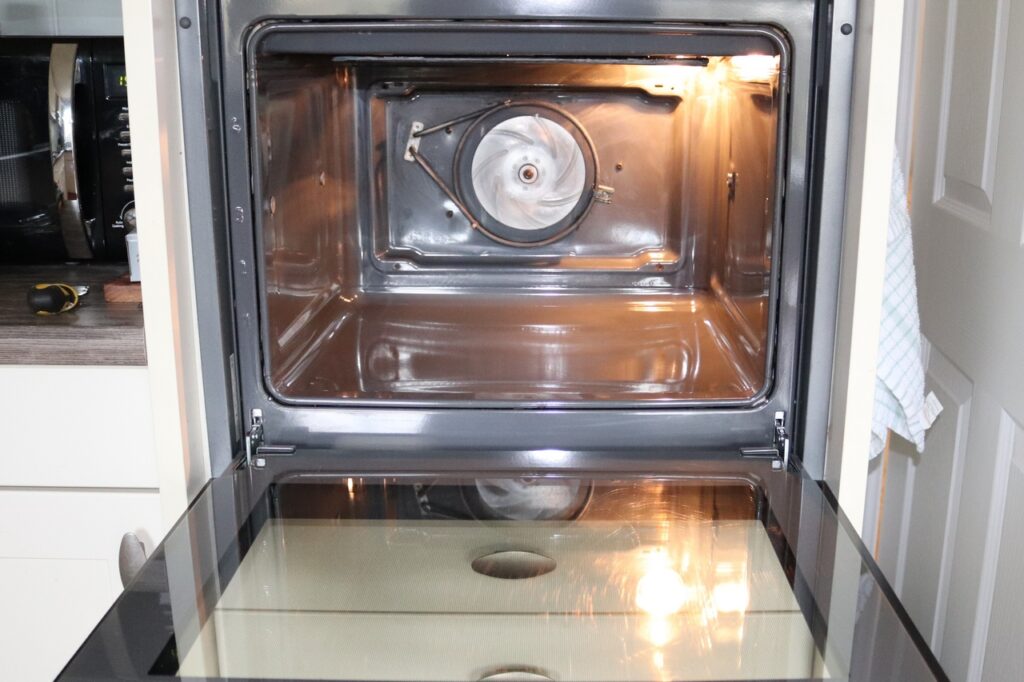
First of all, have as come and professionally clean your equipment, the amount of hard work we put in, will really pay dividends for you because it will all work so much more efficiently, and will be a joy to use again.
When there is a build-up of food residue, grease, and carbon deposits, your oven has to work harder to heat through that first before It can even begin to heat your food, some residue in the oven congeals when cold some of which of course is on the roof of the oven when the oven is heated it actually turns back into liquid again and can drip onto your freshly prepared food!
If you’re eating your meal and think this doesn’t seem to taste quite as good as you thought it would, it might possibly be because of the above reason.
In some cases the residue starts to smoke if it’s worked its way on to the heating element, or built up on the oven sides, I have been to more than a few cookers that have actually caught fire while the customer was using it, surprisingly they usually come up quite well once I’ve cleaned the blackened internals.
The door seals of your oven need to be in good condition, if they’re not heat can escape and this also means longer cooking times. We clean the door seals as best we can, which of course helps but if they’re really perished and they are a replaceable item, a new seal is a good idea.
When you’re using your oven to cook your food you can turn the oven off a few minutes before the cooking time is finished, as the oven is so hot even with the control turned off it will keep on cooking for you.
If your oven has a glass door, is the glass nice and clean? Because once you can no longer see through it, you’ll probably find you keep opening and shutting the oven door to check the cake, batter puddings etc, have risen, this of course means more heat loss.
Moving onto the hob try and use the same size saucepan to the corresponding heat ring size, if it’s a small saucepan and heat ring is larger, you’ll be losing the heat round the sides.
Do you have a steamer set of saucepans at the back of a cupboard?
If you don’t maybe consider purchasing some as you can boil something such as potatoes in the bottom pan and then stack the steamer pans above usually as many as two for vegetables, etc, only using one heating ring not several.
Boiling a kettle and then pouring the hot water into the saucepan I understand is a more efficient way of boiling water than heating up from cold on a hob but you need to work out roughly how much water you need so you only boil the required amount but if you did boil too much it’s always a good time for a cup of tea.
Moving onto the extractor this again needs to be kept clean if it uses paper filters (we supply and fit paper filters when cleaning the extractor) these need to be changed once they get clogged up with residue, the extractor motor has to work harder to draw the air through.
If you have a type of extractor which have the aluminium type gauze filters (our cleaning process cleans these filters for you) these too can become embedded with residue and again the motor has to work harder to draw it through.
Hopefully there’s food for thought with some of the tips I’ve mentioned.